

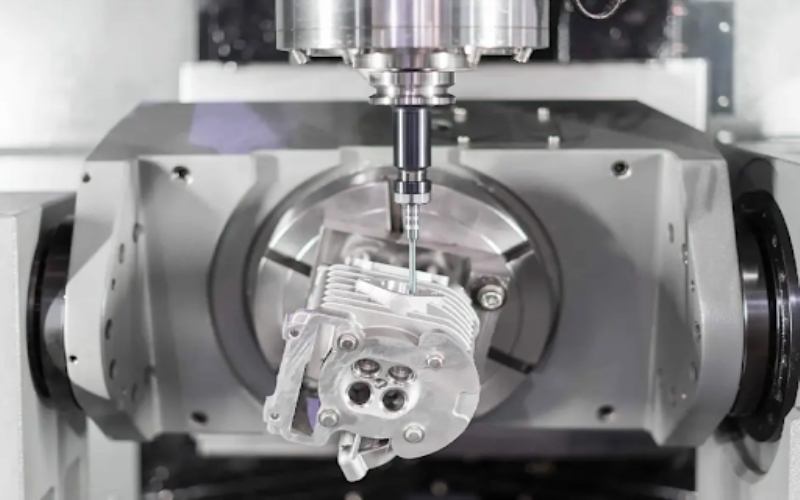
Tool wear significantly impacts 5-axis CNC machining, affecting precision, efficiency, and costs. Excessive wear reduces tool life, increases expenses, and compromises machining quality. Understanding the causes of tool wear and implementing effective strategies can transform operations.
Manufacturers can reduce wear and improve productivity by optimizing cooling systems, selecting appropriate tools, and adjusting machining parameters. Proper maintenance and monitoring also play key roles in minimizing tool damage.
Whether you’re new to CNC machining or a seasoned operator, these insights will help you enhance tool longevity, ensure consistent results, and keep operations running smoothly.
Reducing Tool Wear in 5-Axis CNC Operations
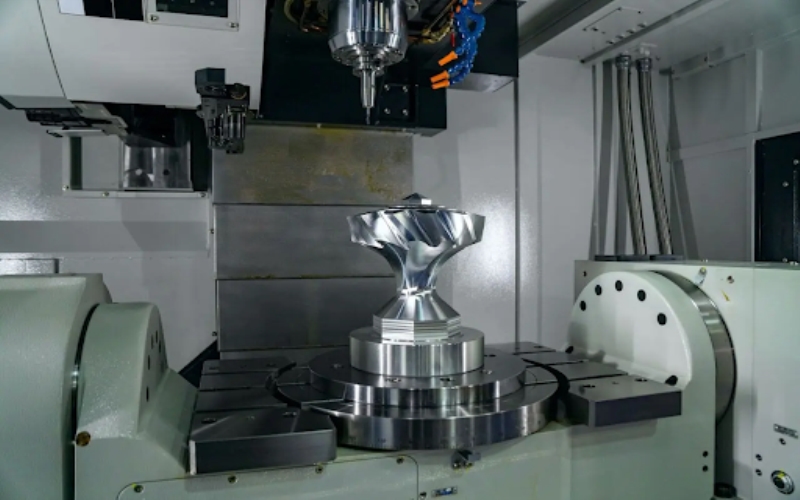
Tool wear is a significant challenge in 5-axis CNC machining, but understanding its causes and how to minimize it can significantly enhance your machining operations. Tool wear happens due to friction, heat, and resistance from the material being cut, which wears down the tool over time.
The complexity of movement and cutting angles in 5-axis machining adds additional stress to tools. Proper machine setup, including the correct cutting speeds and feeds, is crucial for reducing tool wear. Selecting the appropriate materials and using optimal cutting strategies also play key roles in prolonging tool life.
Additionally, incorporating high-quality tools and maintaining an effective cooling system can minimize friction and heat buildup. By following these efficient practices, operators can ensure longer tool life, reduced downtime, and consistently high-quality results, ultimately improving overall machining productivity.
Factors That Contribute to Tool Wear in Multi-Axis Machining
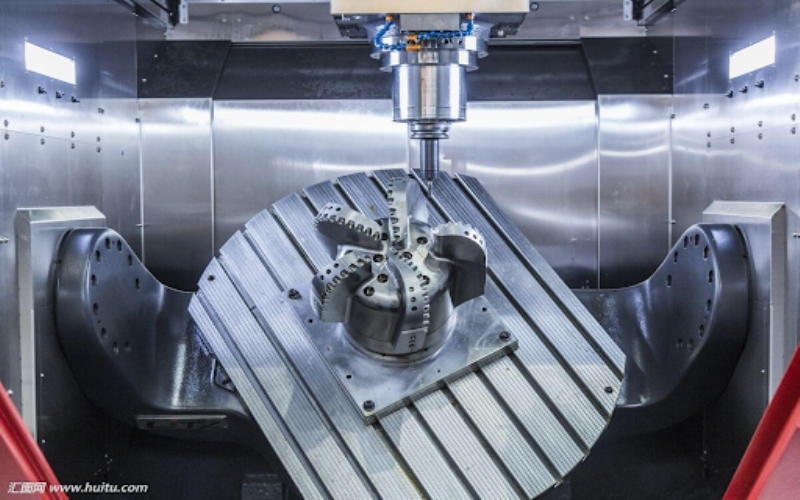
Various factors influence tool wear in 5-axis CNC machining, significantly impacting the tools’ efficiency, precision, and longevity. Understanding the causes of tool wear and how to manage it is essential to minimizing downtime and maximizing machining quality. In this section, we’ll explore six key factors contributing to tool wear in multi-axis machining and offer practical advice on how to mitigate their effects.
Heat Generation
Excessive heat is one of the leading causes of tool wear. As the cutting tool engages with the material, friction generates heat. Without proper cooling or lubrication, this heat accumulates and accelerates the degradation of the tool material. In multi-axis machining, where tools are subjected to continuous movement and varying angles, heat buildup can become more pronounced, leading to faster wear.
To mitigate this issue, ensure that your CNC machine is equipped with an efficient cooling and lubrication system. Using the proper coolant for the material being machined can significantly reduce heat buildup, extend tool life and improve overall machining performance. Furthermore, regular monitoring of coolant levels and temperatures is essential to maintaining optimal conditions during machining.
Material Hardness
The hardness of the material being machined directly affects the rate of tool wear. More complex materials like titanium, stainless steel, and high-carbon alloys are much more abrasive than softer materials like aluminum or plastic. These materials cause higher wear rates on cutting tools, especially in complex multi-axis machining operations.
To reduce wear when machining hard materials, use tools made from materials with higher wear resistance, such as carbide or ceramic. Additionally, adjusting cutting parameters like speed, feed rate, and depth of cut can help manage the level of stress placed on the tool. In some cases, using coated tools designed to withstand high temperatures and abrasiveness can significantly increase tool life.
Improper Feed and Speed Rates
Setting the wrong feed rates and spindle speeds creates unnecessary strain on the cutting tool, leading to rapid wear. If the feed rate is too high, the tool may be pushed too hard against the material, causing excessive friction and premature wear. Conversely, if the feed rate is too low, the tool may not efficiently clear chips, resulting in chip buildup and heat accumulation.
To optimize tool life, carefully adjust feed and speed rates to match the material being machined and the type of cut being performed. Refer to manufacturer recommendations for specific materials, and consider experimenting with minor adjustments to find the most effective settings.
Tool Material and Coating
The type of tool material and the coating used can significantly impact wear resistance. Tools made from carbide or high-speed steel (HSS) are generally more durable than those made from softer materials. However, even high-quality materials will degrade over time if they are not coated properly. Specialized coatings such as titanium nitride (TiN) or diamond-like carbon (DLC) can help reduce friction and protect the cutting edge from heat and wear.
One of the best ways to minimize tool wear is to invest in high-quality tools with the appropriate coating for your specific application. While these tools may have a higher initial cost, they will save money in the long run by reducing tool replacement costs and improving machining efficiency.
Chip Accumulation
Proper chip removal is essential for reducing tool wear. When chips accumulate around the cutting tool, they increase friction and heat, leading to faster tool degradation. In multi-axis machining, where tools may operate at various angles, chips can quickly become trapped in hard-to-reach areas, causing localized heat buildup and uneven wear patterns.
Effective chip removal strategies are crucial for maintaining optimal machining conditions. Ensure your CNC machine is equipped with a reliable chip removal system, and regularly inspect it to ensure that chips are being appropriately evacuated. In some cases, you may need to adjust the toolpath or use a higher-pressure coolant to clear chips more effectively.
Machine Vibration
Excessive vibration is another factor that contributes to tool wear. When a CNC machine experiences vibration during cutting, it causes inconsistent cutting forces, leading to uneven wear on the tool. Vibrations can also affect the surface finish of the part, reducing precision and increasing the risk of defects.
To reduce vibration, ensure that the CNC machine is calibrated correctly and that the workpiece is securely clamped. In addition, vibration-damping materials or tool holders can help absorb vibrations and improve stability during machining. If vibrations are persistent, consider consulting with a machine maintenance expert to assess potential issues with the machine’s components.
Importance of Cooling and Lubrication Systems
Cooling and lubrication systems are essential for minimizing tool wear during 5-axis machining. These systems help control the heat generated from friction, reduce tool abrasion, and ensure smooth, efficient operations. Without proper cooling and lubrication, tools can degrade quickly, leading to increased downtime and higher operational costs. Let’s examine the different types of cooling methods and their benefits.
Flood Cooling
Flood cooling is one of the most common methods used in 5-axis CNC machining. It delivers a continuous stream of coolant directly to the cutting zone, efficiently dissipating heat and flushing away debris. This helps maintain optimal cutting temperatures, prevents overheating, and extends tool life. Flood cooling is ideal for high-volume or heavy-duty machining, where significant heat generation occurs.
Mist Cooling
Mist cooling, on the other hand, uses a fine mist of lubricant that is sprayed onto the cutting tool. This method is more precise and uses less fluid, making it ideal for operations that require high accuracy without excessive coolant usage. Mist cooling is particularly effective in light-duty machining applications or when working with sensitive materials that could be damaged by excessive coolant exposure. It helps maintain tool lubrication while keeping the work area clean.
High-Pressure Cooling
High-pressure cooling systems deliver coolant at a higher velocity, which is particularly useful for complex machining tasks involving deep holes or hard-to-reach areas. The increased pressure ensures that the coolant reaches all parts of the tool and workpiece, preventing overheating and ensuring smooth chip removal. This type of system is crucial for intricate operations, where heat management is vital to maintaining precision and tool longevity.
Regular Maintenance
Regular maintenance of cooling and lubrication systems is crucial to ensuring their efficiency. Clogged coolant lines or insufficient lubrication can lead to heat buildup and increased friction, accelerating tool wear.
Periodic inspections and cleaning of the system help maintain consistent performance, prolong tool life and reduce the risk of machining errors. By staying proactive with maintenance, you ensure the longevity and effectiveness of both the cooling system and your tools.
Optimizing Feed Rates to Extend Tool Life
Feed rates and spindle speeds are crucial factors in controlling tool wear during 5-axis CNC machining. Setting the right balance between speed and feed ensures optimal cutting performance and extends tool life. Adjusting these parameters can reduce unnecessary stress on the tool, improving efficiency and longevity. Here are some key strategies for optimizing feed rates and minimizing tool wear.
Start with Manufacturer Guidelines
To begin, always follow the feed and speed recommendations provided by the tool manufacturer. These guidelines are based on extensive testing and are designed to maximize tool performance and longevity for specific materials.
Using the correct ranges helps prevent overloading the tool and ensures it operates within its optimal cutting conditions. Adhering to these recommendations minimizes wear and reduces the risk of damaging the tool or workpiece.
Adjust for Material Properties
Different materials respond to cutting forces in various ways. Softer materials, such as aluminum, require slower feed rates to avoid pushing the tool too hard, which can lead to increased wear. On the other hand, more rigid materials, like steel or titanium, require more precise feed adjustments to balance cutting efficiency and reduce excessive wear. A feed rate that is too high can cause heat buildup and tool fatigue, while a feed rate that is too low can decrease machining efficiency.
Monitor Tool Performance
Regular monitoring of tool performance is essential for adjusting feed rates in real-time. Many modern CNC machines are equipped with sensors that track tool conditions and wear. These sensors allow operators to adjust feed rates in real-time based on wear patterns or performance changes. This proactive approach helps maintain consistent cutting conditions and ensures tools remain effective throughout their lifespan.
Utilize Adaptive Toolpath Strategies
Modern CAD/CAM software offers adaptive toolpath strategies that automatically optimize feed rates and tool movements. These software solutions analyze the part’s geometry and adjust the cutting parameters to ensure even wear distribution across the tool.
By minimizing localized stress and heat, adaptive toolpaths help extend tool life and improve machining efficiency. This intelligent approach reduces the need for frequent tool replacements, saving both time and money.
Additional Strategies to Reduce Tool Wear
Reducing tool wear in 5-axis CNC machining requires a multifaceted approach. In addition to standard practices like cooling and optimizing feed rates, implementing additional strategies can significantly enhance tool life and machining efficiency. These measures help maintain precision and reduce long-term operational costs.
Choose the Right Tool Materials
Selecting the right tool material is critical for durability and performance. Tools made from carbide or ceramic handle high temperatures and intense cutting forces better than traditional materials. These high-performance tools resist wear and deformation, making them ideal for challenging machining tasks.
Use Coated Tools
Tool coatings, such as titanium nitride (TiN) or diamond-like carbon (DLC), offer improved wear resistance and heat dissipation. These coatings reduce friction, enabling smoother cuts and extending tool life. Coated tools are particularly effective for machining hard materials like titanium or stainless steel.
Implement Tool Presetters
Tool presetters ensure precise measurements and alignment before machining begins. Proper alignment minimizes stress on the tool, reducing the likelihood of premature wear or breakage.
Monitor Cutting Forces
Advanced monitoring systems detect excessive cutting forces during operation. These systems allow real-time adjustments to machining parameters, preventing undue strain on tools and ensuring smoother performance.
Regular Machine Calibration
Keeping CNC machines properly calibrated prevents misalignments that accelerate tool wear. Regular maintenance ensures accuracy, reducing unnecessary strain and enhancing overall machining quality.
Conclusion
Tool wear is a natural challenge in 5-axis CNC machining, but proactive strategies can significantly reduce its impact. Optimizing feed rates, ensuring effective cooling, and selecting the right tools are key to extending tool life. Employing modern monitoring and maintenance practices further enhances efficiency and precision.
Zintilon is a leader in CNC machining solutions. It offers comprehensive services to optimize tool performance and improve machining outcomes. Its expertise in cooling systems, tool selection, and operational efficiency makes it a trusted partner in advanced manufacturing. By partnering with Zintilon, businesses can achieve consistent quality and long-term cost savings in their machining operations.
