

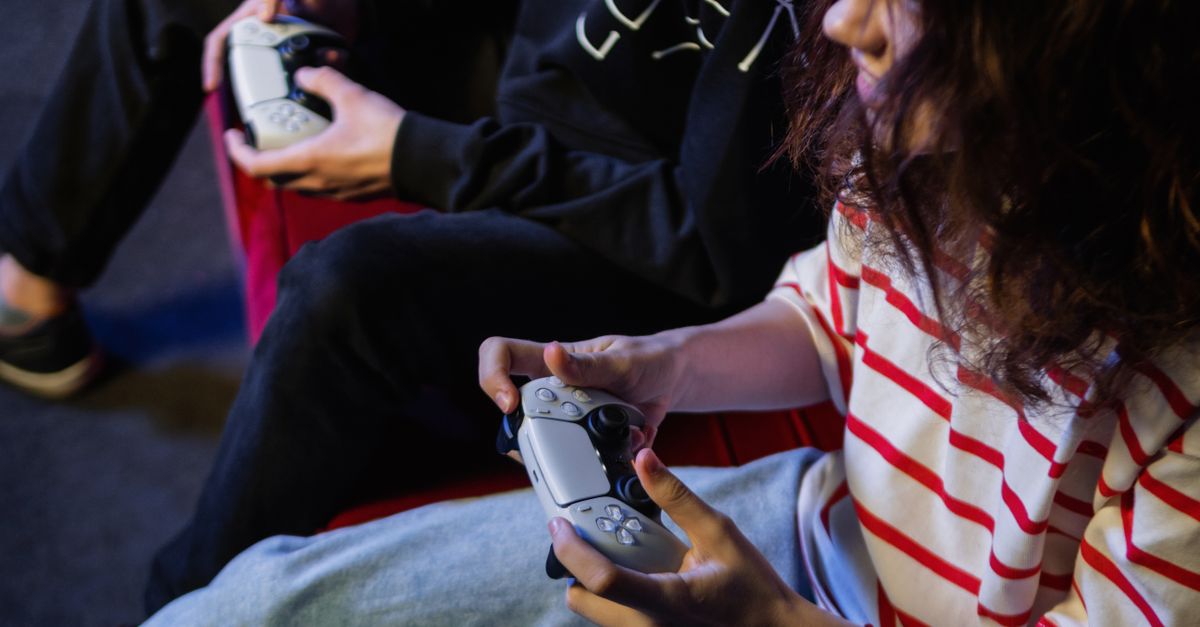
How did online gaming turn into a place where people build and show who they are? It started as a way to play, but it slowly became a space for self-expression, teamwork, and social connection.
Today, players are not just picking characters or completing matches. They are choosing names, skins, avatars, profiles, voice styles, and even the way they speak to others. Those choices send signals. Over time, they add up into a digital identity that feels real to the people behind the screen.
How Player Identity Took Shape
Online play gave people something that local games often could not: a stable digital self that travels from session to session. A username, profile image, or avatar can become familiar over time, and that familiarity matters.
This shift matters because online gaming now acts like a social layer on top of play. People meet friends, join groups, test out personalities, and learn how they want to be seen. That is why a session can feel less like a simple hobby and more like a shared social space.
Even slot8808 can sit within that broader trend, where players treat online spaces as places to express taste and identity.
Avatars Became Social Signals
An avatar is more than a character model. It can show mood, style, humor, or status. Some players choose realistic looks, while others go for bright colors or unusual designs. Those choices help others read who they are talking to before a single message is sent.
Names work the same way. A carefully chosen handle can feel like a personal brand, even if the player never plans it that way. In social spaces built around play, identity often starts with these small visual and verbal choices.
Why Multiplayer Spaces Changed The Meaning Of Play
As games became more connected, players spent more time around each other and less time playing alone. That changed the social meaning of every match, raid, or session.
Teams Made Self-Expression More Visible
Once teamwork became normal, people had to communicate, coordinate, and build trust. That pushed identity into the foreground. The way someone talks in voice chat, reacts under pressure, or supports a group can shape how others see them.
Players also began forming long-term groups, and those groups often develop shared habits, jokes, and styles. In those spaces, identity is not fixed. It grows through repeated interaction, which makes it feel lived in rather than edited.
In some communities, even discussion about situs slot gacor shows how quickly online groups turn shared interests into social labels, inside jokes, and recognizable patterns of speech.
How Communities Turned Identity Into Belonging
Once players started spending time together regularly, online gaming became a place to signal belonging. People copy slang, use similar avatars, and adopt group habits because it helps them feel part of something.
Shared Culture Built Social Memory
Inside jokes, repeated gestures, and group traditions help communities remember themselves. A funny moment in chat or a famous comeback in a match can become part of a group’s story. That shared memory gives people a reason to return.
This is also why identity in gaming often feels collaborative. A player is still an individual, but they are also shaped by the groups they join. The result is a digital identity that is partly personal and partly social.
Final Thoughts
Online gaming keeps expanding because it fits how people communicate now. Many players want spaces where they can be seen, heard, and remembered. Games provide that through profile systems, live chat, custom looks, and repeated social contact. That is the bigger story here. Online gaming did not just create new ways to play. It gave people a place to build identity together, in public, through shared time and repeated interaction. And for many players, that shared identity is now part of why they keep coming back.
